
This is a title
Evolutionary medicine applied to oral health
COVID-19: Sensory loss as an early marker
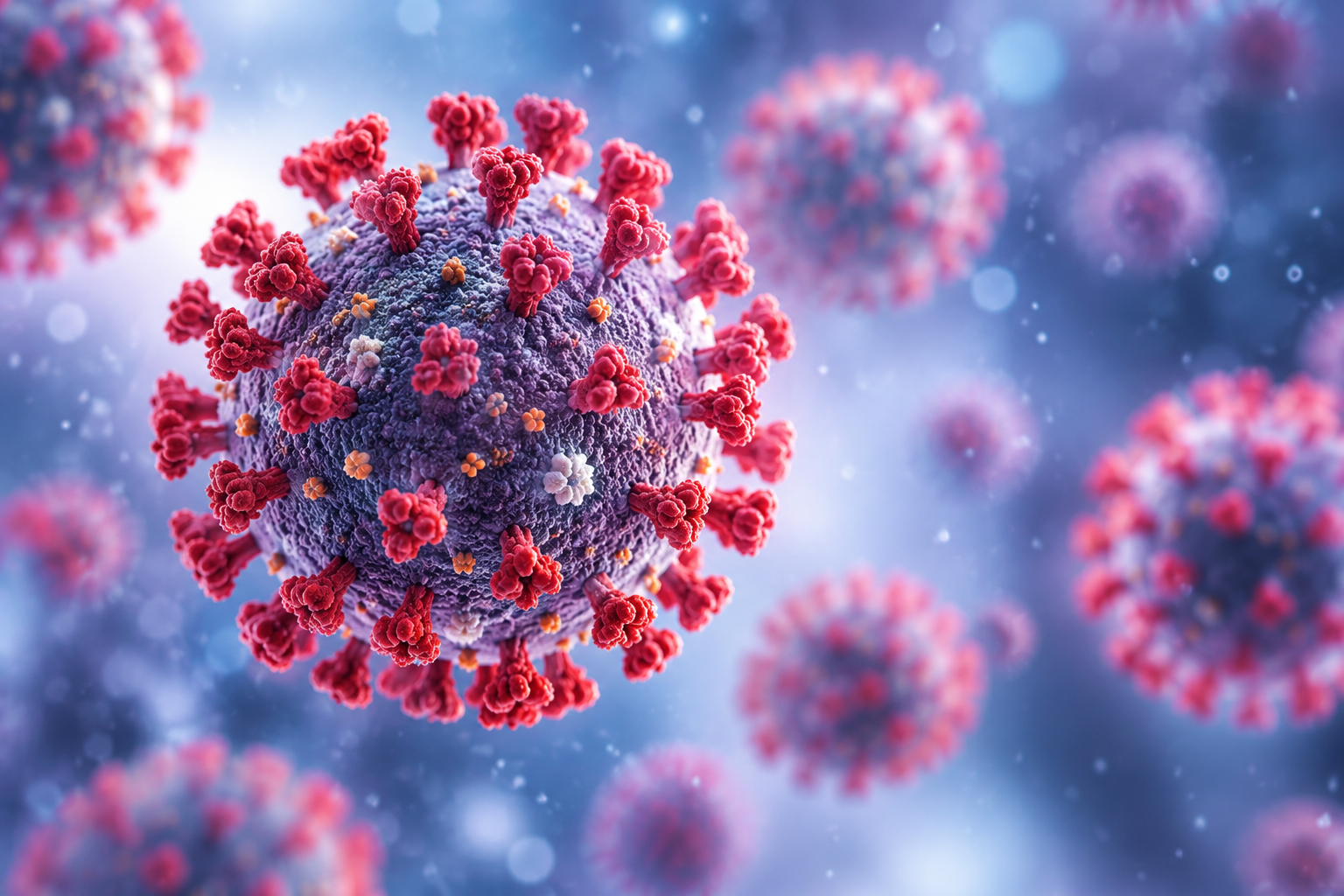
In the very first months of the pandemic in 2020, when the mechanisms of SARS-CoV-2 were still largely unknown, our team mobilised. Drawing on our expertise in chemosensory perception, we took part in a large-scale international collaboration to demonstrate that the loss of taste and smell (ageusia and anosmia) was not merely an incidental symptom, but one of the earliest and most reliable markers of infection. Published in the prestigious journal Nature Communications, this work showed that tracking these sensory losses within the population made it possible to map the spread of the virus more effectively than emergency admissions. This discovery perfectly illustrates how an approach rooted in lifestyle and physiology can offer immediate solutions during a global health crisis.
Madagascar: Demographic history and biodiversity
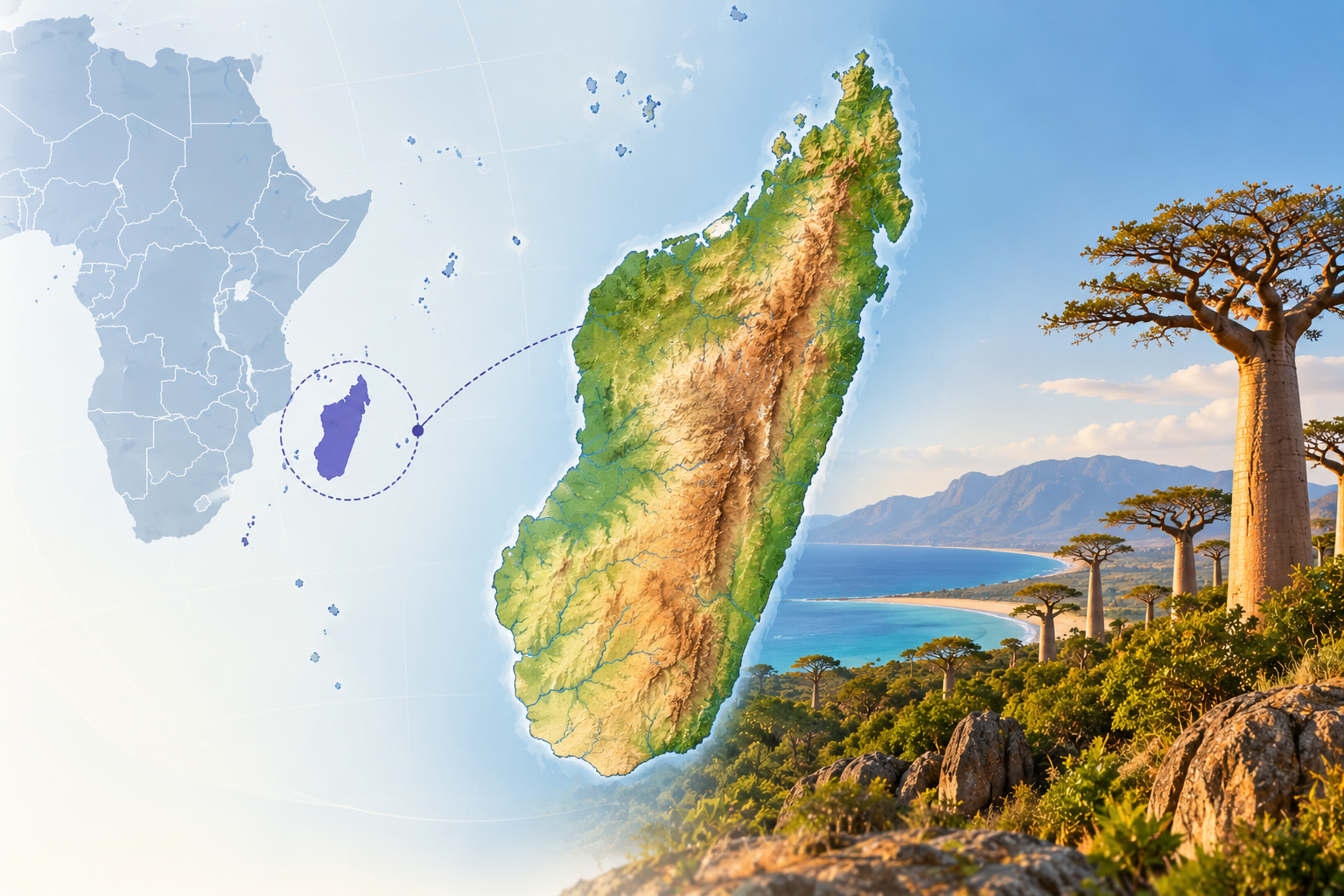
For many years, we have been studying the unique genomic and demographic history of Madagascar, a fascinating evolutionary crossroads. By combining field anthropology data, state-of-the-art genomics and modelling, we have reconstructed the complex demographic evolution of the Malagasy population. Our research, published in Current Biology and acclaimed by the journal Science, has revealed a striking link: the rapid demographic expansion of human populations on the island dramatically coincided with major ecological upheavals and the extinction of large endemic vertebrates. This work, supported by the rigorous establishment of a biobank of 5,000 samples (MAGE), opens up new avenues for understanding how human settlement dynamics shape not only our genetics, but also the future of ecosystems.
Inuit oral health: A textbook case of “mismatch”
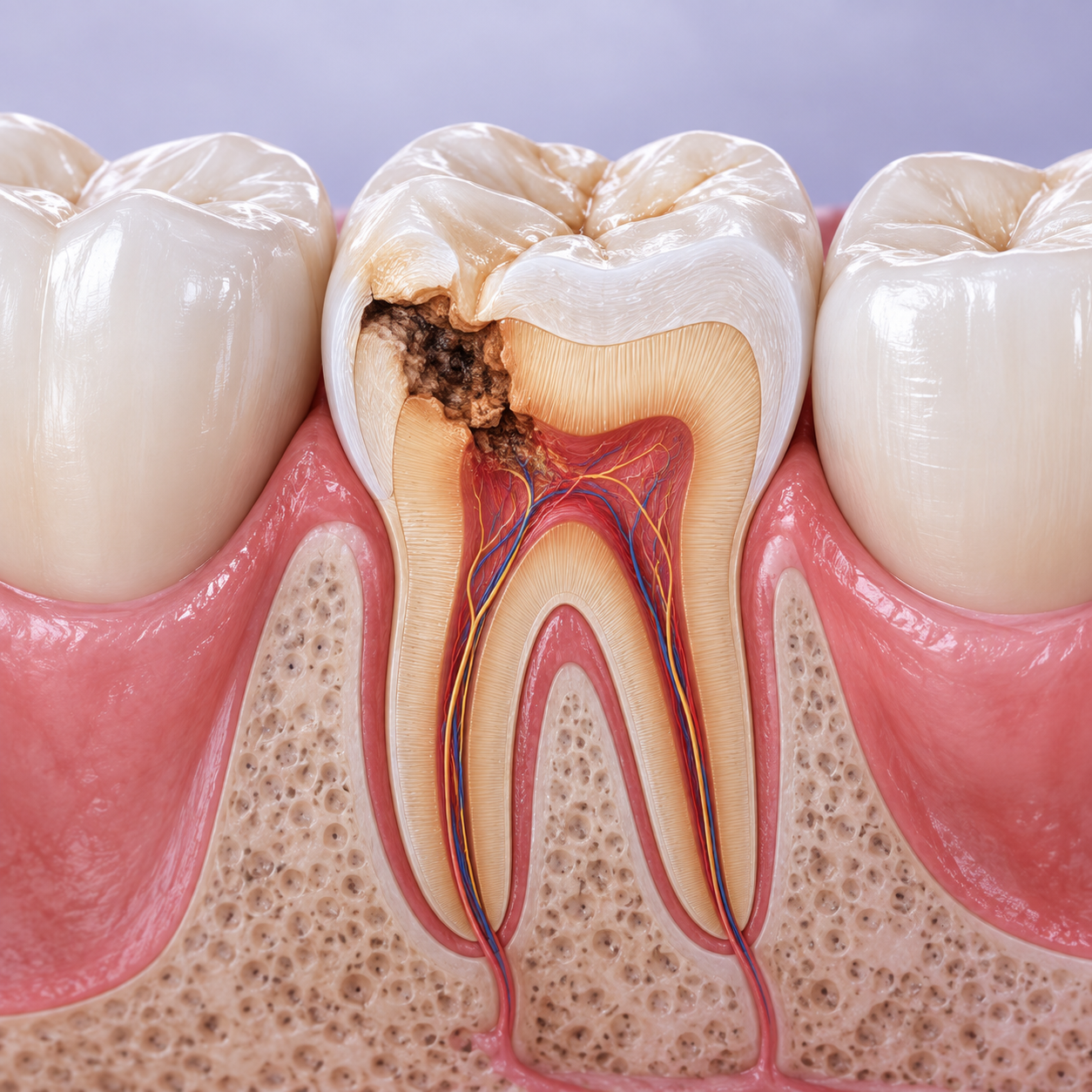
Dental caries is today one of the most widespread diseases in the world, yet it is very recent on the scale of human evolution. To understand this phenomenon, we carried out an in-depth study of the dramatic spread of caries among Inuit populations. Historically spared from this disease, the Inuit underwent an abrupt cultural and dietary transition with the introduction of modern diets (rich in refined sugars). Their biology, and particularly their oral microbiota, did not have time to adapt to this new environment. This award-winning work highlights the central concept of mismatch: it demonstrates how a sudden cultural change creates a health vulnerability, thereby paving the way for new preventive and targeted approaches in public health.

The “Genocode” Patent: Ethical innovation for DNA identification
Beyond fundamental research, EVOLSAN innovates on the technological and ethical front. Four members of our unit designed and patented “Genocode”, a revolutionary technology now protected in Europe and the United States. What is Genocode? It is a universal DNA identifier. From a simple biological sample (such as saliva), Genocode generates a unique genetic “barcode”. Its immense strength lies in its ethics:


